


Now's the time:
Why there has never been a better time to get involved in grassroots women's football
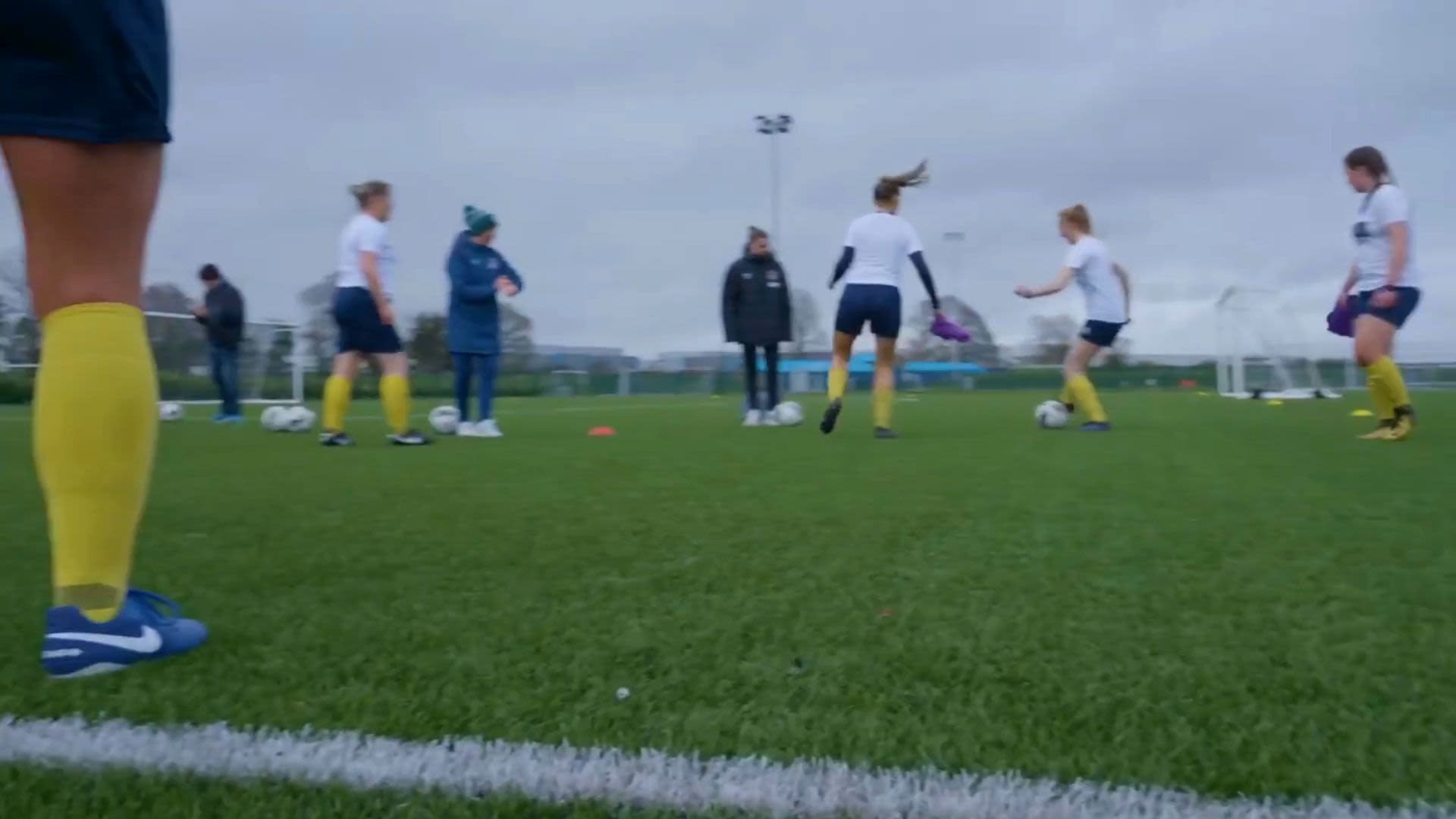
Tuesday, October 11 2022 is a date that will stick in the collective memories of people all over the country. Not only was the Republic of Ireland Women’s National team's victory over Scotland a historic sporting achievement, but it is also the culmination of many years of effort from people trying to grow the women’s game.
It’s never straightforward, and not all of this work demands an in-depth understanding of the game. From raising the funds for new facilities and finding ways to make the game more accessible to simply getting the word out within the community about a new women’s team, every club in Ireland has played a role in getting women’s football to where it is today.
You only need to look at the sheer number of clubs to get an idea of the progress that has been made. Each of the markers on the map below not only represent a club, but they also represent all of the players, coaches, administration staff and volunteers that keep them going.

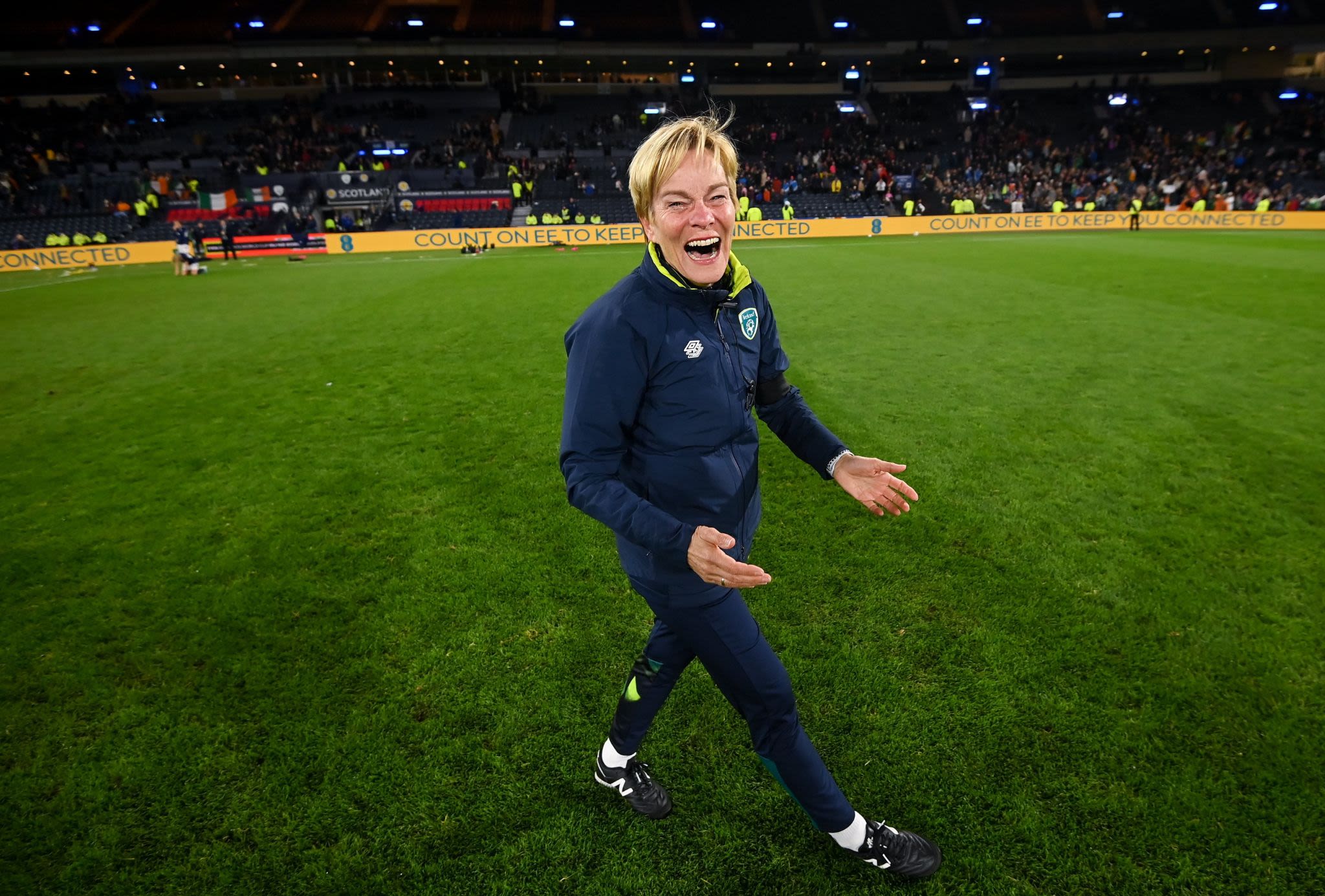
Kay McKenna - Phoenix FC, Dublin
"Whether you’re a mum helping out at a grassroots club or aspiring to be an elite coach, there is a pathway through for everyone."
One common theme that comes up when talking to people involved in the women’s game is how much times have changed. It didn’t happen overnight or by chance, as people like Phoenix FC’s Director of Football Kay McKenna have put in the hard yards to make it happen.
After gaining her coaching badges and learning how to manage a team, Kay became a mentor to other coaches, most of whom were men. Seeing it as an opportunity to encourage more women to follow a similar path as well as strengthen the club overall, she also lead the way in creating the club’s first ever girls team.
“Football is predominantly a male sport, but the female section has grown hugely, it’s grown vastly. Clubs are now seeing the benefits of having more girls in the club, and I think alongside growing the club and having females participate in playing, clubs are starting to realise they have to have more female coaches involved.
“Even from a practical point of view of dressing rooms and that kind of stuff, whether it’s a coach or a parent helper. Clubs are definitely seeing the value of having more females involved,” Kay says.
While it is understandable to assume you have to be a former player or a qualified coach for you to play a role in a club, it is a common misconception. Kay mentions the GAA as a good example of how a community can get involved in the everyday running of a club, with people volunteering their time to keep things running smoothly.
“Parents are starting to get more involved, they don’t think that they have to have all these qualifications or have to had played in the past. We’re trying to get more female volunteers involved in all aspects of the club,” she says.
“We have what we call ‘parent helpers’ who come in and might collect the subs or make sure they have their gear or if children need any assistance. In all aspects of a club, females have a role to play,” she adds.
“Whether you’re a mum helping out at a grassroots club or aspiring to be an elite coach, there is a pathway through for everyone,” she concludes.



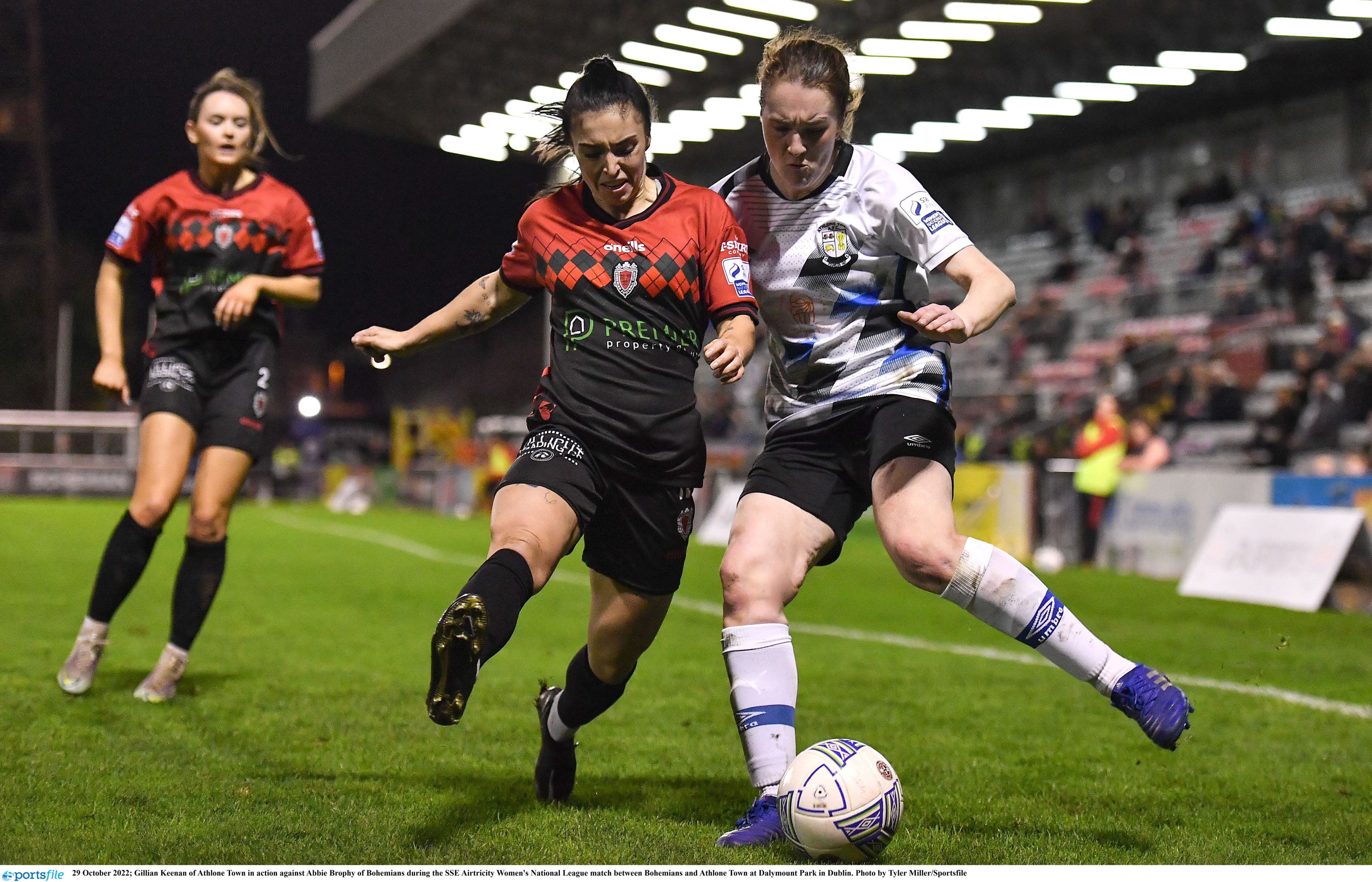
Joan Croke – Desmond Football League, Limerick
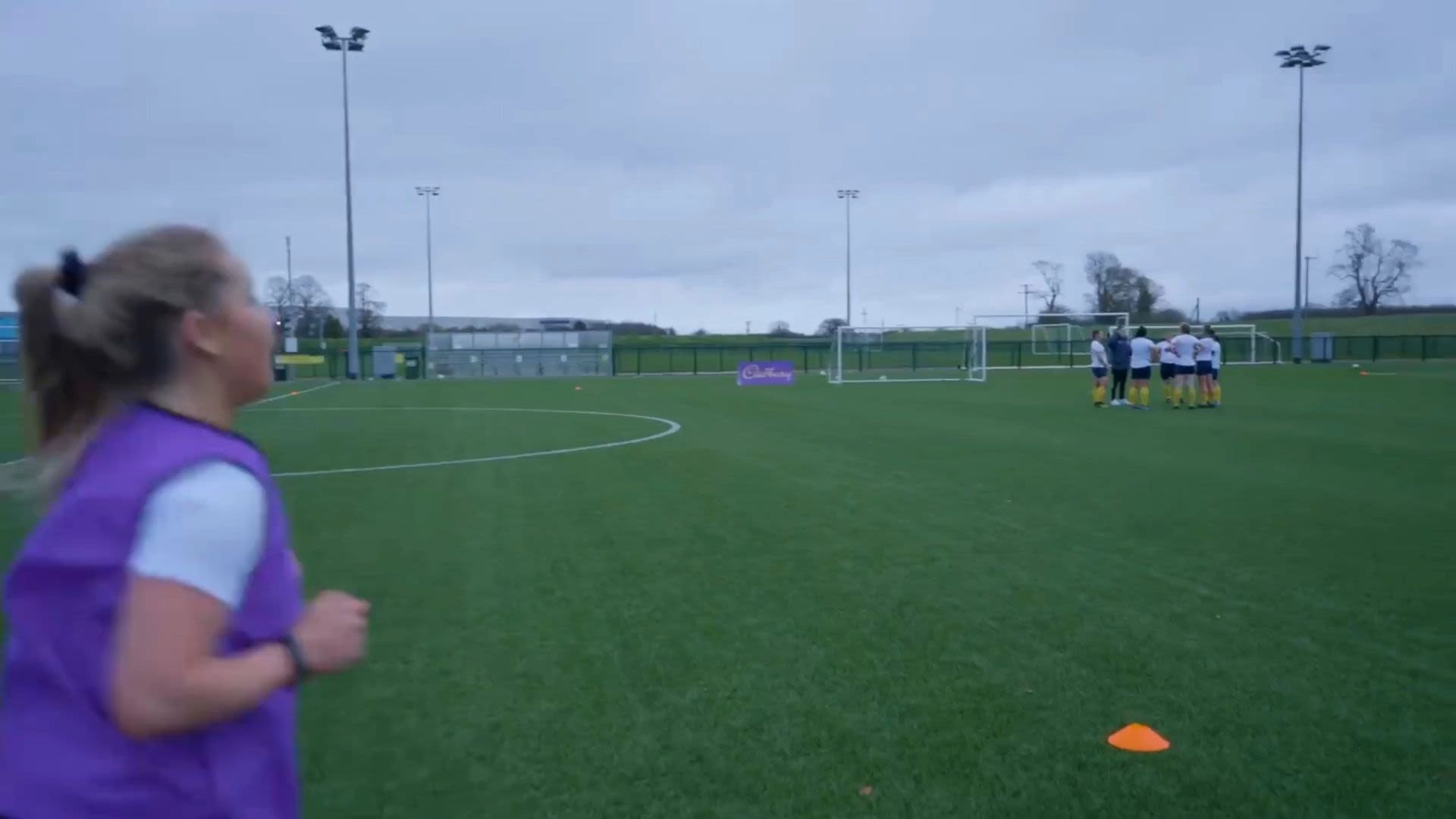
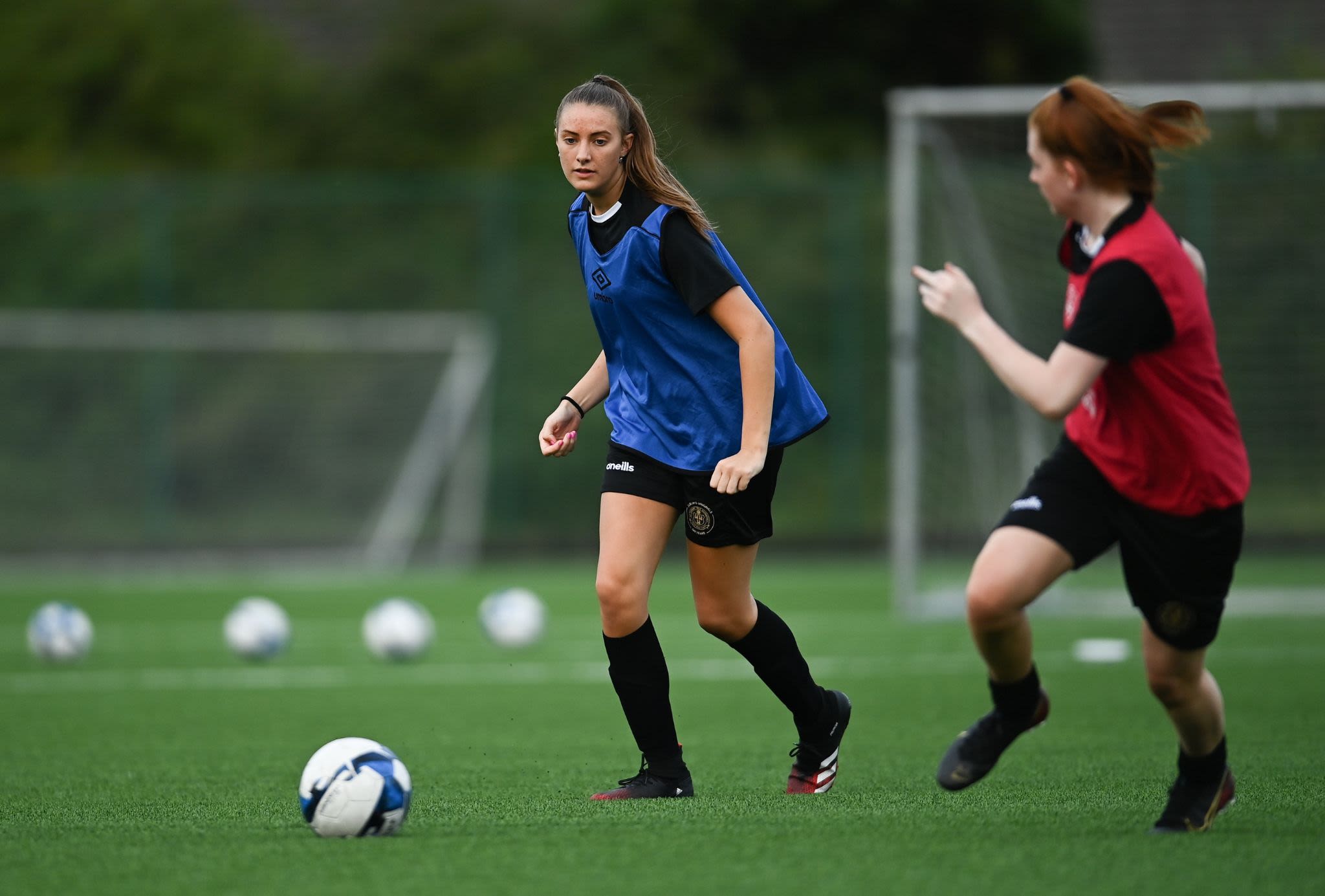

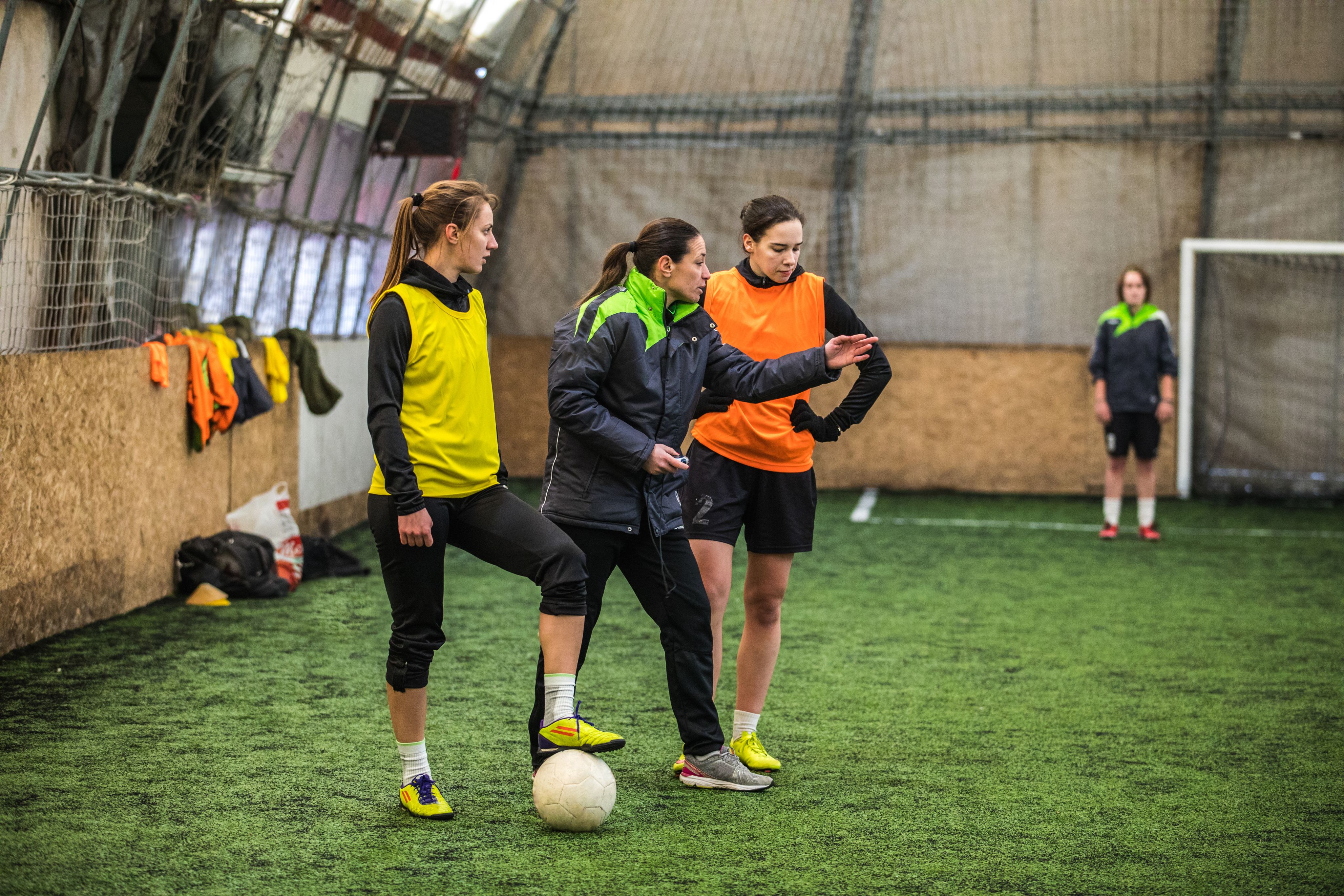
“It’s about getting volunteers and getting people who are reliable… that they actually are there when you need them.”
While every club will have its own aspirations and plans for the future, a small core group of people are responsible for pulling them all into the one shared direction. As Chairperson of the Ladies Desmon League in Limerick, Joan Croke says finding likeminded people who can be called upon is of the utmost importance.
“We like to have a mixture of younger people who are still physically involved in the game, combined with older people who have the experience and knowledge of years of being around the game.
“We try to get a balance between the two, because we find that having all of one or the other means you’re not fully in contact with what’s happening on the ground,” Joan says.
This isn’t necessarily a search for people with an innate knowledge of the game or experience at the highest level, rather Joan says the most valuable people are the ones that turn up. Once you have an interest in the game and can be relied upon to attend meetings and go wherever you are needed, you are alright in her book.
“I suppose as with anything, it’s about getting volunteers and getting people who are reliable when they say: ‘Yeah, I’d love to get involved,’ that they actually are there when you need them.
“We would need people on the committee say when we’re running finals and semi-finals to be present there, for the presenting of medals and cups, maybe taking the fees at the gate or just the general organising of it.
“It often would fall back to just a small few, a core group of people,” she says.
Regardless of what element of the game you think would suit you best, it’s important to understand how much progress has been made in ensuring Irish grassroots football is accessible for all.
Joan says there is an opportunity for more women coaches to get on board, and respect is something that has always been in high supply in her experience.
“In the past it would have been predominantly male coaches in both the female game and the male game. Whereas now, the amount of female coaches coming through with high qualifications and taking up the higher roles is brilliant to see.
“From grassroots on, to see more female coaches involved is really important because it gives the younger players something to aspire to,” Joan adds.
Currently involved in the men’s side of the game as well, Joan says there was a time when this would have been unheard of.
“The players don’t see me as a female coach, they just see me as a coach. When I started there were a lot of parents with their parenting cap on thinking, ‘Oh my God, you’re not going to get respect from these lads,’ as they were typical lads.
“But I have never, ever had any issues at all with them; there’s nothing but respect. I’d encourage more females to be willing to take on roles in the men’s game as well,” she concludes.
Brid McGinty – Lagan Harps, Donegal
“Look, a result might go against you or whatever but those minutes of complete joy simply from getting out there.”
One of the most beautiful aspects of sport, team sports in particular, is its ability to help us through some of the struggles of everyday life. Even after a challenging day at work, stepping out onto a football pitch can help clear the mind and you refocus your energy into an output that comes with both physical and mental benefits.
Encouraging as many people, regardless of gender, ability or age, to get involved in the Irish game will only open more eyes to that fact. It’s something that Brid McGinty, Senior Ladies coach with Lagan Harps in Donegal says we are making progress on, but that there is still a historic mindset that needs to be changed.
“There’s a mindset that is historic more than anything else; historic opinions,” Brid says. “Everybody has their own opinion, but it’s just a case of trying to be open minded.
“The FAI Coach Education department has put a lot of work into getting female coaches involved. They have been trying to get more coaches involved, whether it’s male coaches or female, trying to give the pathway for them.
“They have done female-only Licences, they do workshops for grassroots PDP One, Two and Three. And they’ve also done a basic workshop for women involved in the game to give them the confidence going forward,” Brid says.
“It’s a time where everybody is in a happy place. If you can get that for coaches coming out, it gives you maybe three hours a week of a happy place with people that are full of joy in a stressful environment.
“Even if you purely think of that element; getting three hours of pure joy and relief from stress and everything else,” Brid says.
One could assume that joyful atmosphere is only present at times when results are going your way, but that isn’t what Brid says has been her experience.
“Look, a result might go against you or whatever but those minutes of complete joy simply from getting out there,” Brid adds.

Aoife Walsh – Salthill Devon, Galway



“The attendance would be the main point; go to your local games and just try to physically be there.”
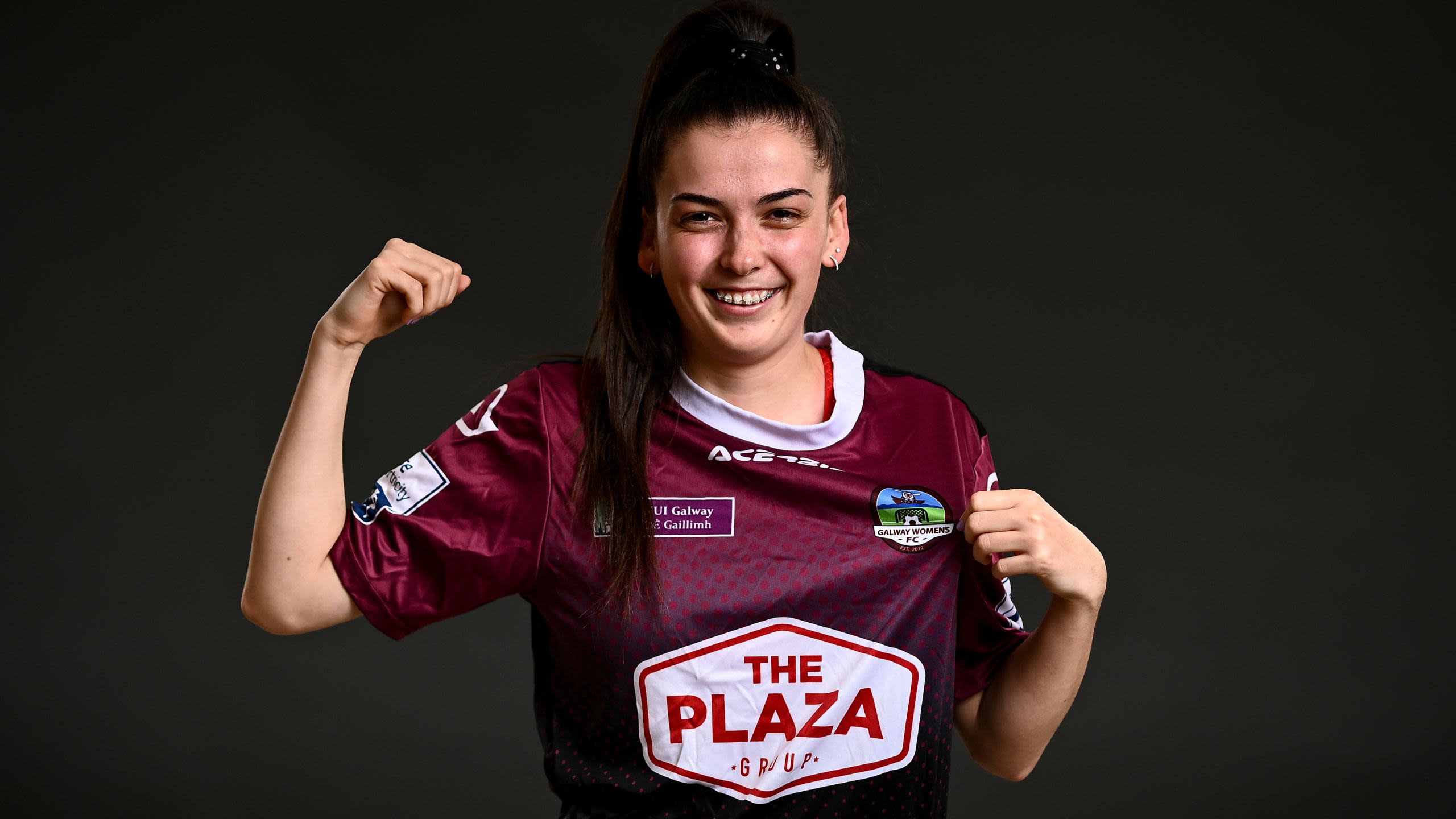
Football is nothing new to Galway native Aoife Walsh, having spent a huge portion of her childhood kicking a ball around with her dad. Now an experienced defender with Galway WFC, Aoife says there is a palpable difference between the current set up and that of even just a few years ago.
“When I first joined there were no girls, and now you see loads of girls walking around with tracksuits. You can just tell that there are so many girls interested,” Aoife says.
This is reflected in growing attendance figures, as well as in the number of girls showing interest in the game. Growing those attendance figures is one of the most vital roles that people, regardless of footballing or coaching ability, can perform.
Supporting your local grassroots club not only shows your interest in your community, but also presents the opportunity to be a part of something special.
“There is no use talking about it, if you’re not going to attend and actually support them yourself. I know some people can’t, and I’ve been guilty of it myself maybe when I stopped playing a year ago I wanted some free time; I hadn’t necessarily gone up to Terryland that much.
“The people that are talking about it and want to promote the women’s game should actually try go to attend the matches. It’s grand if you follow it online, that’s still the same thing, but I think attending [is important],” she adds.
“The attendance would be the main point; go to your local games and just try to physically be there. Media attention is great… But local people need to go and support and attend matches,” she says.

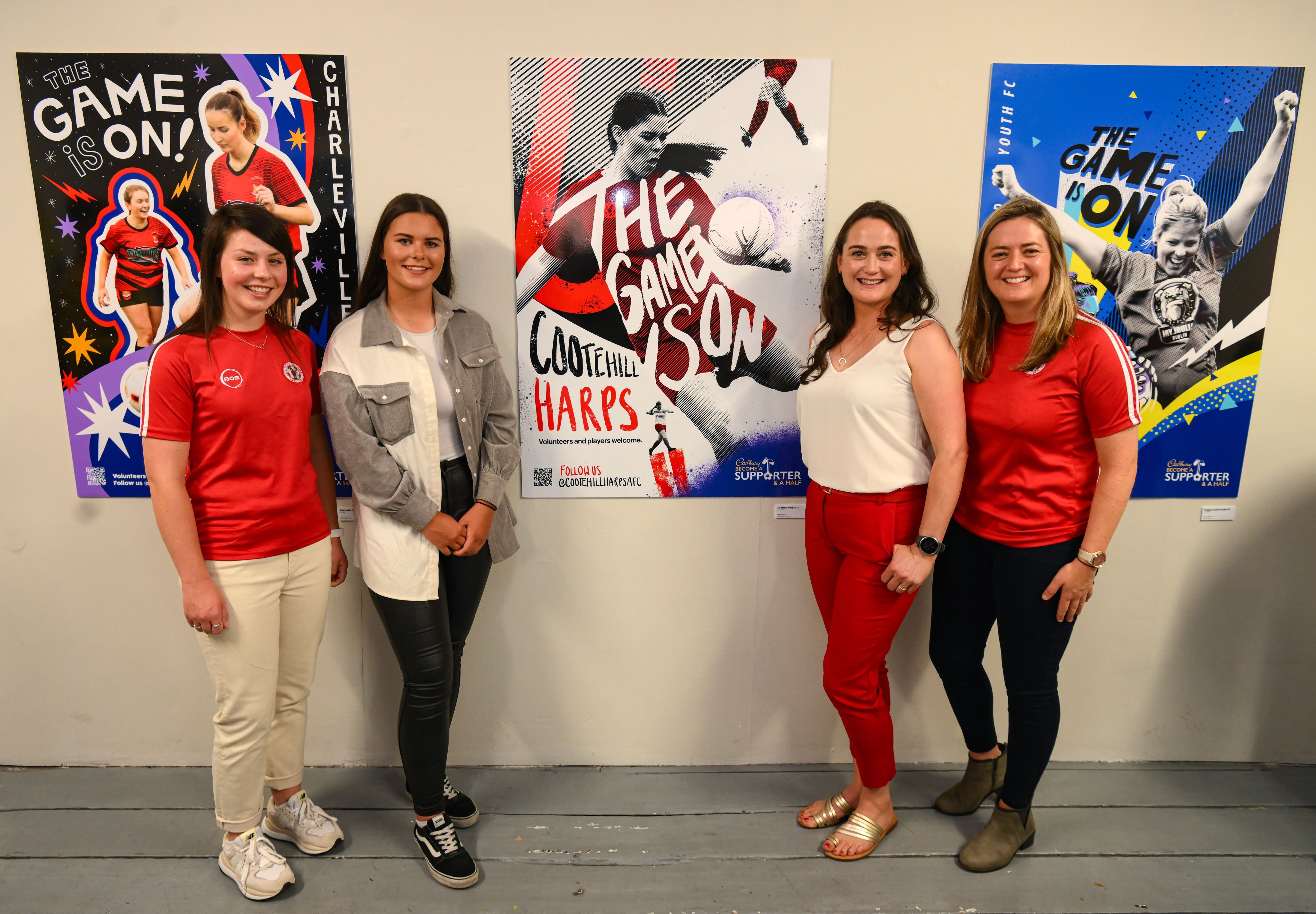
Cootehill Harps at Temple Bar Gallery & Studios in Dublin, during the launch of Cadbury's brand-new initiative to help support Irish women’s grassroots football, ‘The Game is On’.
Cootehill Harps at Temple Bar Gallery & Studios in Dublin, during the launch of Cadbury's brand-new initiative to help support Irish women’s grassroots football, ‘The Game is On’.
As the Official Snack Partner of the Republic of Ireland Women’s National team, at Cadbury they believe that a Player and a Half deserves Support and a Half and are dedicated to supporting Irish women’s grassroots football. Cadbury are donating money-can’t-buy experiences to grassroots women’s football clubs. Visit Cadbury.ie.
 Built with Shorthand